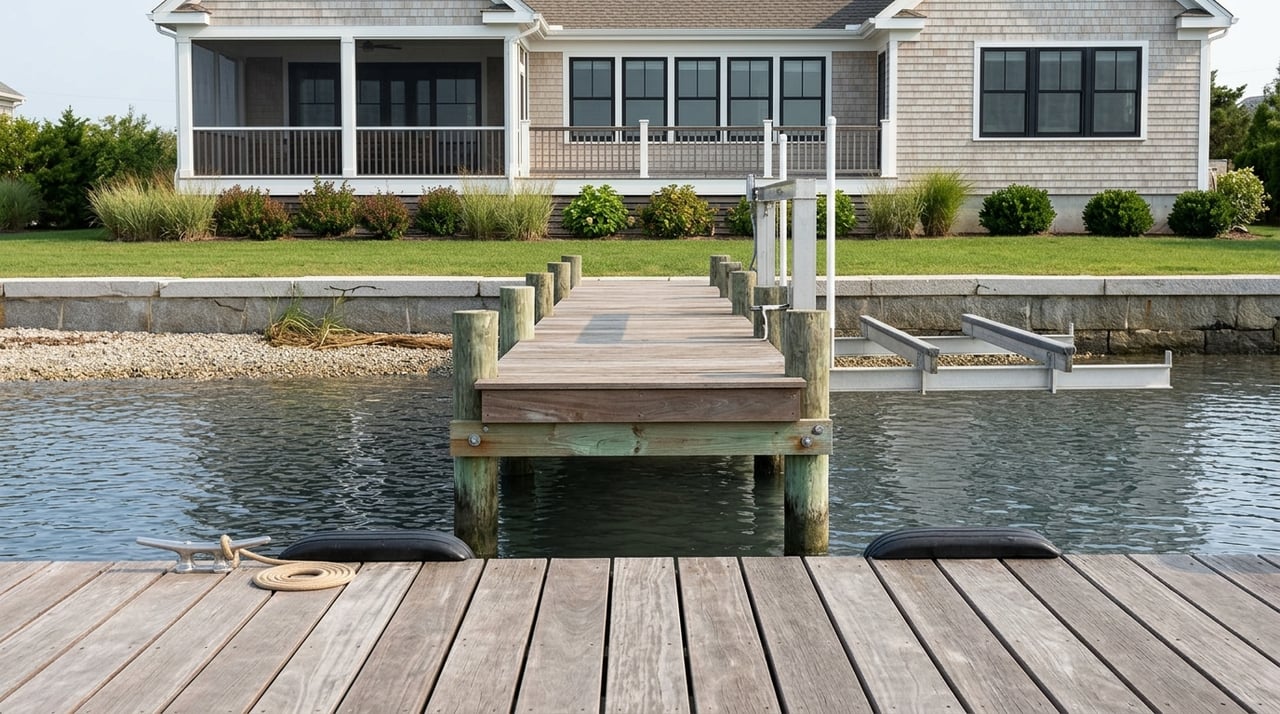
What to Know About Arnold MD Pier and Boating Access
July 2, 2026
July 2, 2026
Waterfront photos can make every pier in Arnold look perfect, but boating access is rarely that simple. If you are buying here, the real question is not just whether a home has a dock, but whether your boat can comfortably and legally use it. This guide will help you look past the listing highlights and understand what to verify before you buy. Let’s dive in.
Arnold’s waterfront sits along the Magothy River, with access points that can feel very different from one creek or cove to the next. Nearby waterways like Mill Creek, Forked Creek, Old Man Creek, Broad Creek, and areas near Dobbins Island each create their own boating conditions.
That matters because two homes in the same general area can offer very different experiences on the water. One may have easier access to open water, while another may involve a narrow entrance, shallower conditions, or a more protected basin.
When you tour a waterfront property, start by asking where the pier actually sits. A home on the main river may handle boating access differently than one tucked into a creek or behind a basin.
You will also want to ask how your boat reaches open water from that spot. In Arnold, access can depend on whether the route includes a narrow opening, a dredged section, or an area that may be harder to navigate at ordinary low tide.
One of the biggest surprises for buyers is how much usable depth can vary along the Magothy. Nearby marina references from the Maryland Department of Natural Resources show practical depths ranging from about 6 feet at some marinas to 16 feet at others.
Even that does not tell the whole story. Waterway Guide listings show differences between approach depth and dockside depth, which means the path to the slip and the depth at the dock are not always the same.
For buyers, the takeaway is simple: do not assume a pier works for your boat just because the home is waterfront. You need to confirm the depth at the end of the dock at mean low water and the depth along the route in and out.
Some of Arnold’s boating routes include features that deserve closer attention. The Magothy River Association notes that Forked Creek has a sand spit at the mouth and narrow, shallow entrances to some side coves.
Mill Creek includes a narrow dredged opening to Spriggs Pond. Broad Creek includes Park Creek, which may require a shallow-draft boat or higher tide. These details are why a creek-by-creek review can be more helpful than relying on a broad community description.
Before you move forward, ask focused questions about the pier itself and how it functions day to day.
These questions can help you avoid buying a waterfront home that does not match the boating lifestyle you have in mind.
Even if you plan to keep your boat at home, nearby marina services still matter. In Arnold, local Clean Marina listings show a range of support options that can make ownership easier.
Atlantic Marina at Ferry Point in Arnold is listed with 106 slips, a pumpout station, a travel lift, a restaurant, a mechanic, and a public boat ramp. Magothy Marina lists 182 deep-water slips, gasoline and diesel, a pumpout, a launching ramp, and winter de-icing. Atlantic Marina on the Magothy lists gas and diesel, a pumpout, 31 slips, hi-and-dry storage, and a full-service yard.
These nearby services can be useful if you need fuel, repairs, pumpout access, storage, or an alternate launch point. DNR also notes that marina information can change, so buyers should confirm current availability directly before relying on it.
A pier is not just a convenience feature. It is also a structure with a legal and regulatory history.
Maryland Department of the Environment says a Wetlands and Waterways permit is needed for a new pier, repair, or modification. The same general permit framework can also apply to adding a platform or boat lift, dredging a boat slip, or installing a bulkhead.
In Anne Arundel County, a residential pier is treated as a permitted accessory structure. The county checklist also notes placement and setback rules, and county Planning and Zoning determines pier location subject to those requirements.
Anne Arundel County’s checklist gives buyers a practical way to understand what may or may not be allowed at a property. Private piers and mooring pilings may not extend beyond the lesser of one-quarter of the waterway width, half the cove, or 300 feet from the waterfront at mean high tide.
That means future expansion may not be possible just because a lot looks wide enough on paper. If you are hoping to change the pier later, you will want to confirm what the current approvals allow.
The county also notes that residential walkways longer than 10 feet can trigger a separate permit. This is one more reason to review the file carefully instead of assuming every feature was approved as built.
If a property is within 1,000 feet of tidal waters or tidal wetlands, Anne Arundel County considers it part of the Critical Area. For waterfront buyers in Arnold, that can affect what you can do with trees, clearing, grading, and shoreline improvements.
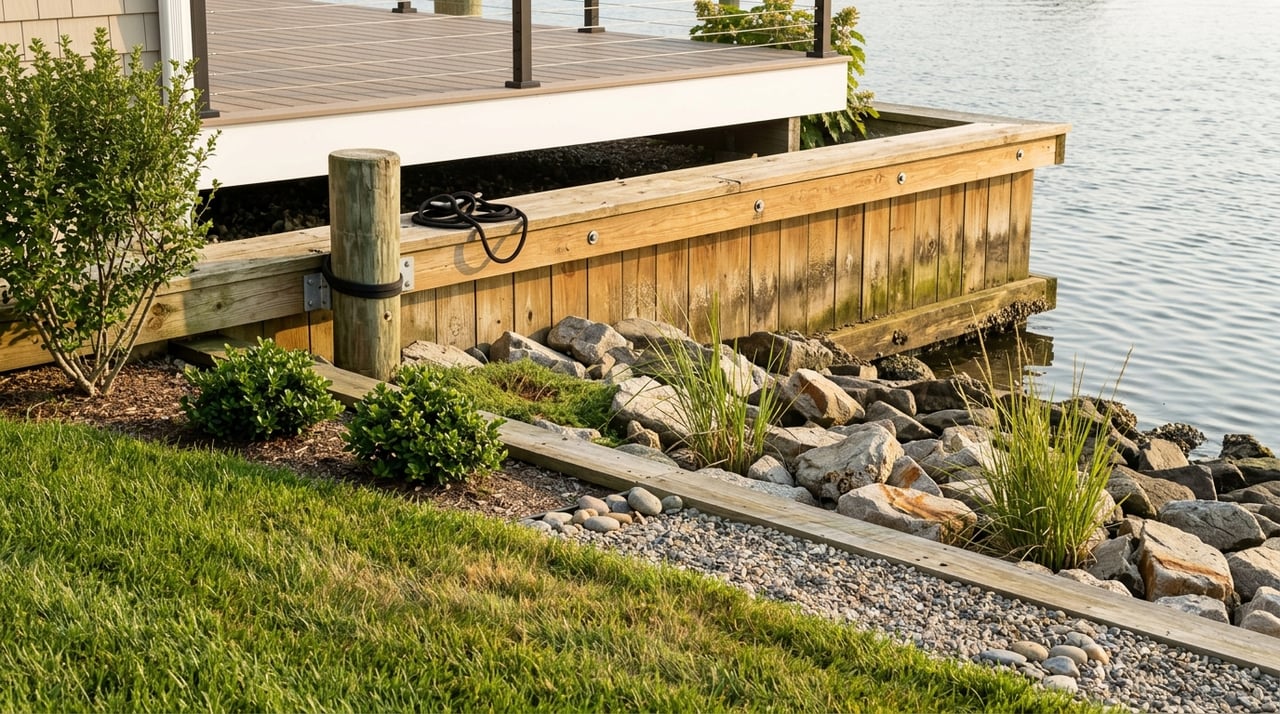
The county says the 100-foot buffer has stricter rules. It also notes that vegetation removal or other disturbance in the buffer may require a Vegetation Management Plan, and some shoreline work may require grading or building permits.
This matters if you are thinking about opening a water view, replacing shoreline features, or changing the path to the pier. It is much better to know those limits before closing.
One of the smartest steps you can take is to ask for the full pier and shoreline paper trail. That includes permits, as-built drawings, surveys, and any records of corrections or modifications.
You should also ask whether the pier, lift, bulkhead, or dock has been changed since the original approval. Even small-looking changes may have required county or state review.
Not every pier setup works the same way. Some are individually owned, some are shared, and some are tied to an HOA or marina structure.
Make sure you know:
These details shape your long-term cost just as much as the purchase price does.
If you are buying in Arnold, this checklist can help you stay focused during showings and contract review.
Arnold waterfront purchases often look straightforward at first glance, but the important details are highly specific to the property. Depth, creek access, permits, and maintenance responsibility all need a closer look.
That is especially true when you are balancing both lifestyle goals and a major investment. A polished listing can highlight the shoreline, but careful review helps you understand how that shoreline actually works for you.
If you are considering a waterfront home in Arnold and want steady guidance through the details, Michelle L Blanchard can help you evaluate boating access, property records, and the practical questions that matter before you buy.
Stay up to date on the latest real estate trends.


Backed by award-winning performance and deep local expertise, Michelle delivers knowledgeable guidance, strong negotiation, and a seamless experience for buyers and sellers across the Baltimore region.