What To Know Before Buying A Waterfront Home In Grasonville
July 16, 2026
July 16, 2026
Buying a waterfront home in Grasonville can feel like stepping into the Chesapeake lifestyle you have been picturing for years. But the view is only part of the story, and the right purchase depends on more than a pretty shoreline. If you are considering a home here, it helps to understand how Grasonville’s waterfront works, what questions matter most, and where buyers can run into surprises. Let’s dive in.
Grasonville is shaped by water from several directions. Queen Anne’s County planning materials describe the area as stretching toward Kent Narrows and being bounded by the Chester River, Marshy Creek, Cabin Creek, Walsey Creek, and Bennett Point Road, with US 50/301 playing a major role in how the community functions.
That matters because buying “waterfront in Grasonville” does not point to a single type of setting. Nearby water-trail information highlights Chesapeake Bay, Eastern Bay, Chester River, Prospect Bay, Thompson Creek, and Warehouse Creek, which means you may be choosing between open-water frontage, creek frontage, marsh-influenced shoreline, or a marina-adjacent property.
You will also see a mix of housing types in this market. Waterfront options can include detached homes, townhouses, condos, and land parcels, so your search should start with how you want to use the property rather than with assumptions about style alone.
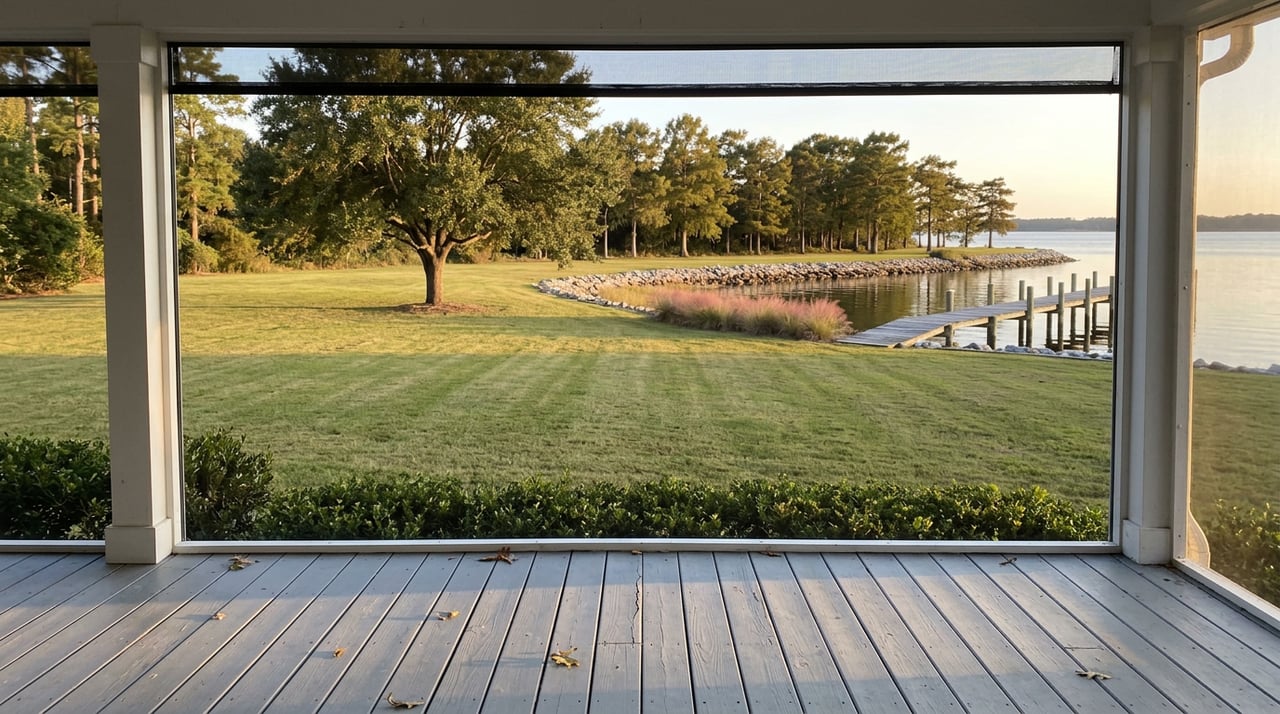
Not all waterfront lots live the same way day to day. A property on larger open water can offer broad views and a bigger sense of exposure, while a creek setting may feel more protected and tucked away.
Jackson Creek Landing offers a helpful local example. County tourism guidance describes it as being on relatively large, open water on the lower Chester River and notes it is best on calm days. That gives you a sense of how exposure to wind and water conditions can shape your use of the shoreline.
When you tour homes, ask yourself practical questions about the setting:
A beautiful view is important, but the shoreline type often has a bigger effect on how the property feels throughout the year.
One of the biggest lifestyle questions is what you want to see and hear from your waterfront home. In the Grasonville area, surroundings can vary quite a bit even within a short distance.
At Jackson Creek Landing, westbound paddlers pass waterfront developments and condominiums on the way to Kent Narrows, while eastbound paddlers see farms, sandy beaches, and a golf course. For buyers, that is a useful reminder that your view corridor may feel more residential and active in one location and more open or natural in another.
This is why in-person touring matters so much. Two homes with similar square footage and price points can deliver very different daily experiences depending on nearby development patterns, traffic on the water, and the mix of residential, recreational, or commercial surroundings.
For many buyers, Grasonville’s appeal is tied to convenience as much as scenery. The nearby Kent Narrows area functions as a waterfront hub, with county planning materials noting numerous marinas and boat-storage facilities, plus marinas within walking distance of dining and hotels.
The same plan reports about 1,800 slips and more than 60 transient slips at restaurants. That kind of boating infrastructure can be a major advantage if you want flexibility, service access, and the ability to enjoy the water without relying only on a private dock.
This convenience-oriented setting can be a great fit if you want an active waterfront lifestyle. It can also feel different from a more secluded shoreline, so it helps to decide early whether you want activity nearby or a more purely residential setting.
If boating is part of your plan, do not focus only on whether a home has its own pier. Queen Anne’s County maintains 18 public landings, two fishing piers, and three marinas with 172 boat slips, which means the local boating network extends beyond private waterfront ownership.
That broader access can open up options. A home without a private dock may still work well for you if it offers proximity to public launches, marina slips, or boat storage that fits your routine.
In Kent Narrows, the boating culture is especially visible. One local marina reports 40 slips for boats from 25 to 60 feet and short boat rides to destinations like Kent Island, St. Michaels, Chestertown, Rock Hall, Annapolis, and Baltimore. If access and connectivity matter to you, this part of the market deserves a close look.
Waterfront living in Grasonville has a seasonal rhythm, especially around Kent Narrows. County planning documents note that marina activity peaks from May through September, while waterfront restaurants often offer outdoor dining and live entertainment through summer and early fall.
That can be a plus if you want an energetic warm-weather lifestyle. But if you are hoping for the same level of activity and convenience year-round, you should verify what stays open in the off-season.
This applies to dining as well. The area is known for waterfront spots such as The Narrows, Jetty Dock Bar, Big Owl Tiki Bar, Red Eye’s Dock Bar, Harris Crab House, Fisherman’s Crab Deck, and Fisherman’s Inn, but some venues are seasonal. Buyers who want year-round routines should check hours and seasonal operations before assuming nearby amenities will function the same way in January as they do in July.
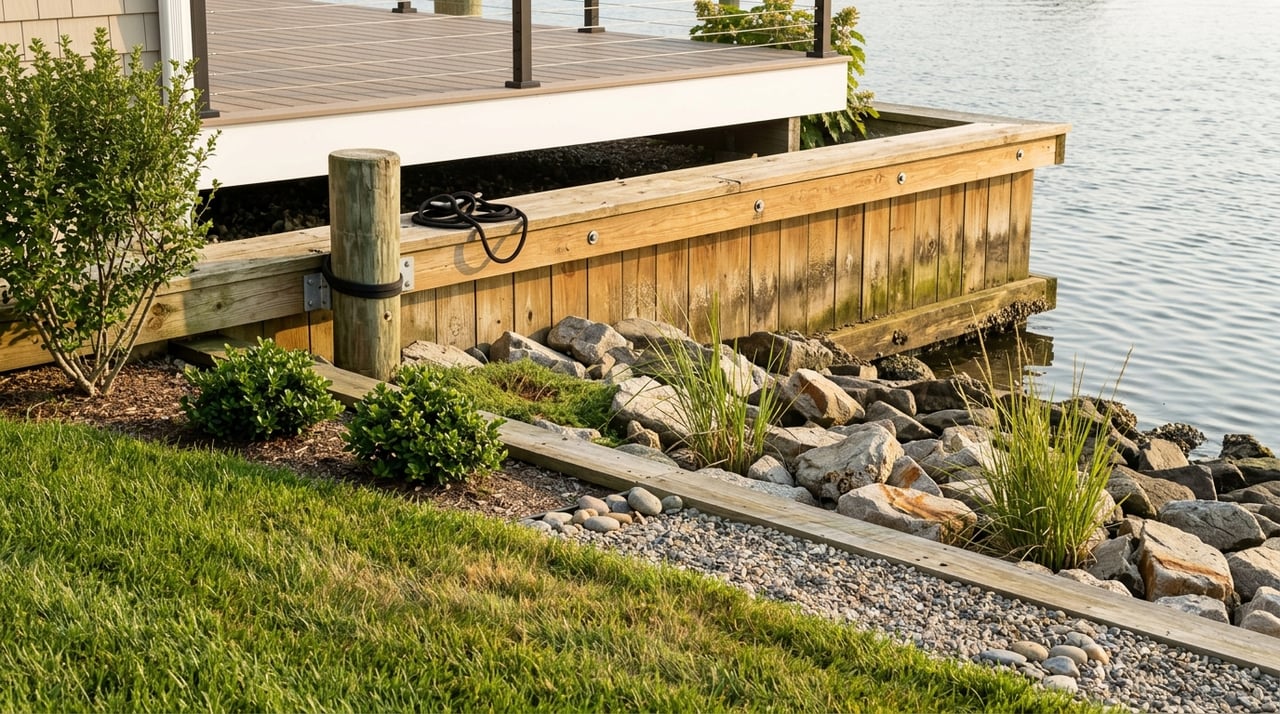
A waterfront home has maintenance questions that inland homes do not. Before you buy, it is smart to understand the shoreline condition, any erosion concerns, and whether there is a history of improvements like a bulkhead, pier, or living shoreline.
Maryland guidance notes that living shorelines are preferred in many cases because they can help reduce erosion, pollutants, storm damage, and habitat loss. The state also says the best shoreline treatment depends on site conditions such as fetch, marsh, beach, submerged aquatic vegetation, bank height, nearshore depth, and nearby structures.
That means there is no universal fix. A shoreline that looks simple from the backyard may involve site-specific decisions, costs, and approvals, so buyers should review improvement history and ask what kind of maintenance may be ahead.
Many Grasonville waterfront properties are affected by Chesapeake Bay Critical Area rules. Queen Anne’s County says the Critical Area buffer is at least 100 feet landward of tidal waters, tributary streams, and tidal wetlands, and it can expand to 300 feet.
The county also requires permits for construction, grading, fill, shore erosion control, and some vegetation removal. If you are thinking about adding improvements, changing landscaping, or modifying the shoreline, those rules can shape what is possible.
For tidal projects, Maryland requires a Joint Permit Application for shoreline erosion control projects, piers and associated structures, dredging, filling, and alteration, along with notification forms for pier projects. In practical terms, you want to know not only what exists on the property, but also whether it was permitted and whether your future plans are realistic.
Flood exposure is one of the most important parts of waterfront due diligence. Queen Anne’s County participates in the National Flood Insurance Program, and the county floodplain office says many properties are exposed to hurricanes, tropical storms, and heavy rain events.
The Maryland Insurance Administration says standard homeowners insurance does not cover flood damage. It also states that flood insurance is separate and that most flood policies have a 30-day waiting period.
For some buyers, another surprise is that piers, docks, wharves, and bulkheads are often not covered by homeowners insurance when loss is caused by flood, storm surge, or rising water. This is why insurance review should happen early, not at the last minute.
Some waterfront properties may be served by septic rather than public sewer. If that is the case, ask for the pump-out history, maintenance records, and any upgrade information.
Maryland law requires new or replacement septic systems in the Chesapeake and Atlantic Coastal Bays Critical Area to use nitrogen removal technology. Queen Anne’s County code also says on-site sewage treatment systems are generally pumped out at least every five years.
This is not just a technical detail. Septic condition affects both current usability and future planning, so it should be part of your review before you move forward.
When you are comparing waterfront homes in Grasonville, these are some of the most useful questions to bring into the conversation:
These questions help you move from admiring the property to understanding it.
The best waterfront purchases usually happen when lifestyle goals and property realities line up. In Grasonville, that means looking beyond the photos and focusing on shoreline condition, flood exposure, boating access, permit history, and how the area functions throughout the year.
If you want a waterfront home that supports the way you actually plan to live, careful local guidance matters. For buyers exploring Chesapeake Bay waterfront communities, Michelle L Blanchard offers the steady, experienced insight that can help you evaluate the details with confidence.
Stay up to date on the latest real estate trends.


Backed by award-winning performance and deep local expertise, Michelle delivers knowledgeable guidance, strong negotiation, and a seamless experience for buyers and sellers across the Baltimore region.